Comptroller says only Democrats pressuring over crypto trust charter
"Tensions rise as lawmakers question potential conflicts of interest. A national trust charter application sparks controversy."
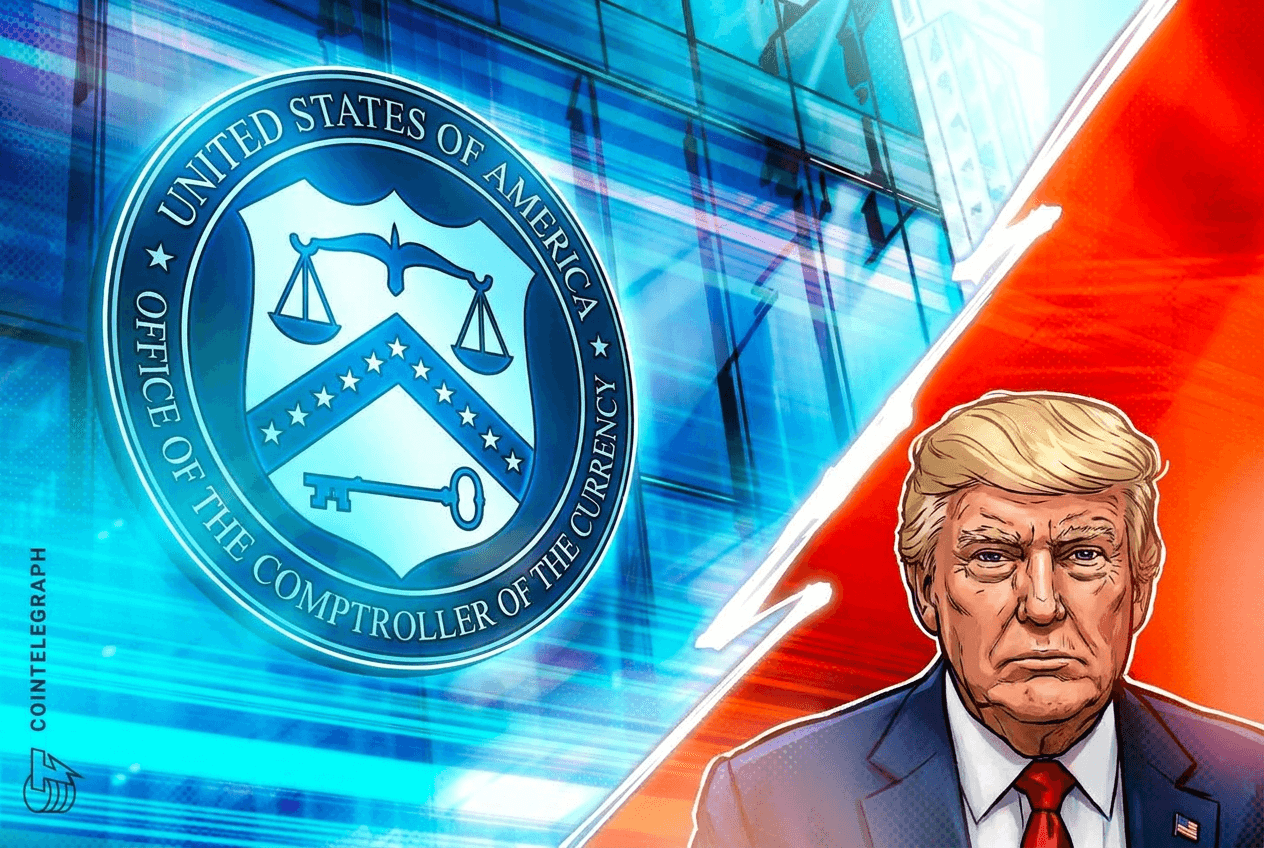
US Comptroller of the Currency Jonathan Gould faced intense scrutiny at a Thursday oversight hearing. Gould, nominated by Donald Trump, implied that the US president had not ordered him to approve or give special consideration to a national trust charter application tied to his family's financial interests. The application in question is from World Liberty Financial, a crypto company co-founded by Trump and his sons, which has prompted backlash from many Democratic lawmakers alleging conflicts of interest.
The hearing, held by the House Financial Service Committee, saw New York Representative Gregory Meeks spar with Gould over the company's connections to foreign governments and the Binance exchange. Meeks accused Gould of being "Trump's fixer," signaling his belief that World Liberty's application would be approved despite potential conflicts of interest. Gould denied these allegations, stating that the only political pressure he had felt was from Meeks and his Senate colleagues.
The controversy surrounding World Liberty's application is not isolated. The OCC has already approved or conditionally agreed to several national trust charter applications from crypto companies, including Coinbase, Ripple, BitGo, Circle, Fidelity Digital Assets, and Paxos. These approvals have raised concerns among lawmakers, with Massachusetts Senator Elizabeth Warren arguing that they were for "seemingly ineligible companies," violating federal banking laws.
Gould took office in July 2025, having been confirmed by the Republican majority Senate along party lines. At the time, he stated that the OCC would be "apolitical and nonpartisan" in its consideration of crypto companies' applications. However, the approval of World Liberty's application would raise questions about the agency's impartiality. A national trust bank charter allows crypto companies to provide certain services without being subject to the same regulatory requirements as traditional banks.
The implications of the OCC's decisions on the crypto industry are significant. Approval of World Liberty's application could be seen as a victory for the Trump family's financial interests, while rejection could be viewed as a blow to the company's legitimacy. The controversy has also sparked a wider debate about the regulation of crypto companies and the need for clearer guidelines on national trust charter applications.
In addition to World Liberty, crypto exchange Kraken's parent company, Payward, filed an application with the OCC in May. The agency's handling of these applications will be closely watched by lawmakers and industry experts. A comprehensive digital asset market structure bill, called the CLARITY Act, is expected to head for a vote in the full Senate soon. The bill's passage could provide much-needed clarity on the regulation of crypto companies and the OCC's role in overseeing the industry.
The Trump administration has expressed support for the bill, with Treasury Secretary Scott Bessent stating that the administration aims to pass the legislation sometime this summer. However, the bill's fate is uncertain, and its passage will depend on the ability of lawmakers to reach a consensus on the regulation of crypto companies.
As the debate over crypto regulation continues, the OCC's decisions on national trust charter applications will be closely scrutinized. The agency's handling of World Liberty's application will be seen as a test of its impartiality and its commitment to upholding federal banking laws. The outcome will have significant implications for the crypto industry and the wider financial sector, and will likely be shaped by the complex web of political interests and alliances that surround the Trump family's financial dealings.