Elon Musk tries again to escape FTC audits of X data handling
"Musk's latest petition sparks concerns about user privacy and data protection."
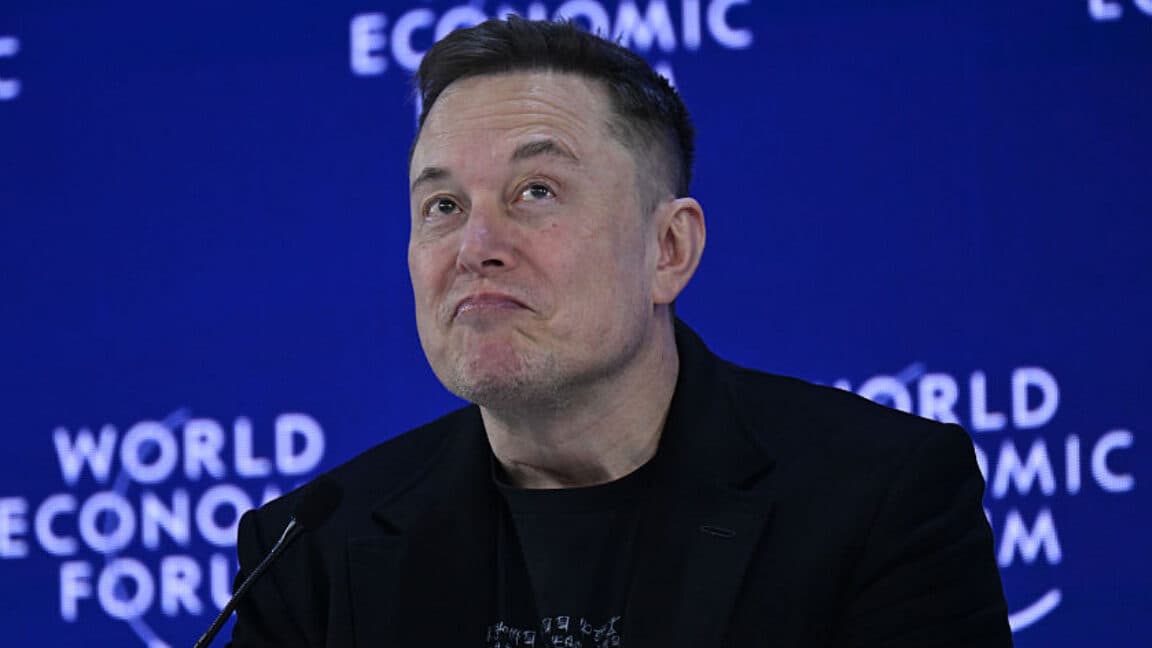
Elon Musk challenges FTC order in 2022. Musk, CEO of X, is attempting to escape a strict data-privacy order imposed by the Federal Trade Commission (FTC) shortly before he took over Twitter. The order, which was put in place after Twitter voluntarily disclosed a coding error that allowed phone numbers and email addresses to be used for targeted advertising, requires X to undergo regular independent audits and grants the FTC authority to request documents as needed to ensure compliance.
The coding error, which occurred between May 2013 and September 2019, was a significant breach of user trust, and the FTC's order was intended to prevent similar mistakes from happening in the future. However, Musk has been trying to get the order revoked, claiming that it is improper and should be terminated due to the FTC's alleged bias. In 2023, Musk accused the FTC of aggressively increasing the number of investigative demands, but the agency pointed out that Musk's takeover of Twitter raised genuine questions about the company's ability to comply with the order.
One of the main concerns is that Musk's leadership and vision for X may not prioritize user privacy and data protection. The FTC has argued that Musk's demands for journalists to get access to internal systems for the "Twitter Files" and his insistence that an executive assistant gain access to systems "immediately" raise red flags about the company's commitment to data protection. Additionally, the agency has claimed that X security staff sometimes had to disobey Musk in order to remain in compliance with the order.
Musk's latest petition to the FTC argues that the order should be set aside because Twitter no longer exists, having been merged into xAI and then folded into SpaceX. He also claims that since none of the leadership or engineers responsible for the two-factor authentication error remain at the company, and "X has since built a world-class privacy and data-protection program" that protects consumers, the FTC doesn't need to intervene anymore. However, critics argue that Musk cannot be trusted to protect X user privacy, and that the order is still necessary to ensure that the company complies with data protection regulations.
The implications of Musk's petition are significant, as it could have far-reaching consequences for user privacy and data protection. If the FTC were to grant Musk's request, it could set a precedent for other companies to avoid accountability for their data handling practices. On the other hand, if the FTC were to deny Musk's petition, it would send a strong message that companies must prioritize user privacy and data protection.
The case also highlights the challenges of regulating tech companies and ensuring that they comply with data protection regulations. The FTC's order was intended to prevent similar breaches of user trust from happening in the future, but Musk's attempts to evade the order have raised questions about the effectiveness of regulatory oversight. As the tech industry continues to evolve and grow, it is likely that there will be more cases like this, and regulators will need to be vigilant in ensuring that companies prioritize user privacy and data protection.
In recent years, there have been numerous high-profile cases of data breaches and misuse of user data, and the public has become increasingly aware of the importance of data protection. The European Union's General Data Protection Regulation (GDPR) has set a high standard for data protection, and companies like X must comply with these regulations in order to operate in the EU. However, the US has lagged behind in terms of data protection regulations, and the FTC's order is one of the few mechanisms in place to hold companies accountable for their data handling practices.
The FTC's response to Musk's petition will be closely watched, as it will have significant implications for the tech industry and user privacy. If the agency grants Musk's request, it could embolden other companies to avoid accountability for their data handling practices, and undermine the trust that users have in the tech industry. On the other hand, if the FTC denies Musk's petition, it will send a strong message that companies must prioritize user privacy and data protection, and that regulatory oversight is essential to ensuring that companies comply with data protection regulations.
Ultimately, the case highlights the need for stronger data protection regulations in the US, and the importance of regulatory oversight in ensuring that companies prioritize user privacy and data protection. As the tech industry continues to evolve and grow, it is likely that there will be more cases like this, and regulators will need to be vigilant in ensuring that companies comply with data protection regulations. The public has a right to expect that their data will be protected, and it is up to regulators to ensure that companies like X prioritize user privacy and data protection.